
Temporary parking bans: how a resident finds out before the tow truck
The city grants a permit, the contractor puts up a sign, the car gets towed. The city knew about the ban all along. Here is how that reaches the one person who needs it.
Tomislav Krnic
Founder of the smart city project CityX · 3 min read
A car stands outside its owner's house, as it does every day. A utility crew gets a permit for works and puts up a temporary no-parking sign. From a given morning, a car still standing there is towed. The owner learns about the ban on seeing the empty space.
Nobody did anything wrong. The city granted the permit by the rules and the contractor put the sign up in time. The trouble is that the information never reached the only person who needed it.
The information exists, it just does not travel
When a city grants a temporary parking ban, for road works, a building site or a utility job, it knows the exact stretch of the street and the exact period. Nothing about it is hidden.
But a sign on a pole is not the same as being told, and nobody reads through every permit in town. A resident is not looking for permits. They have one question: can I leave my car here tomorrow?
One question, one answer
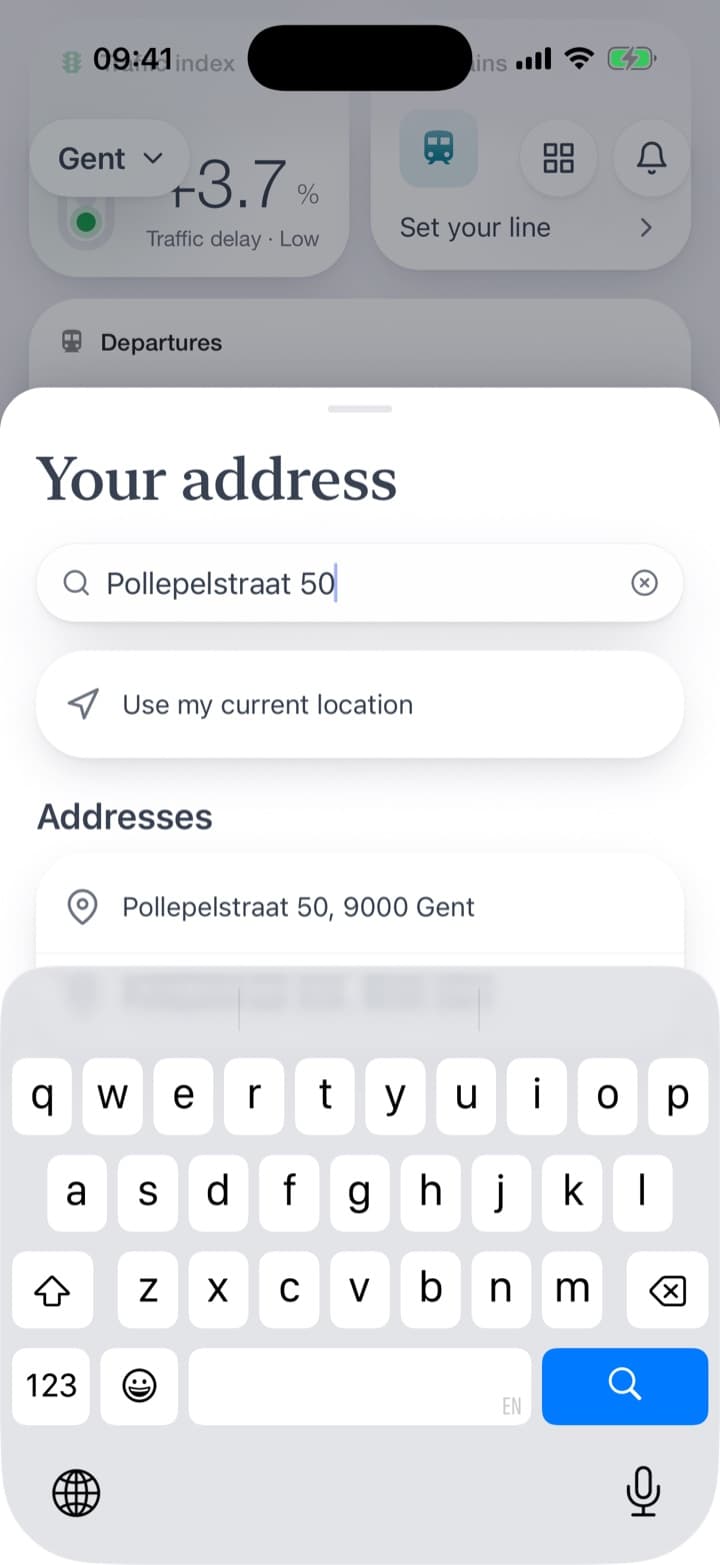
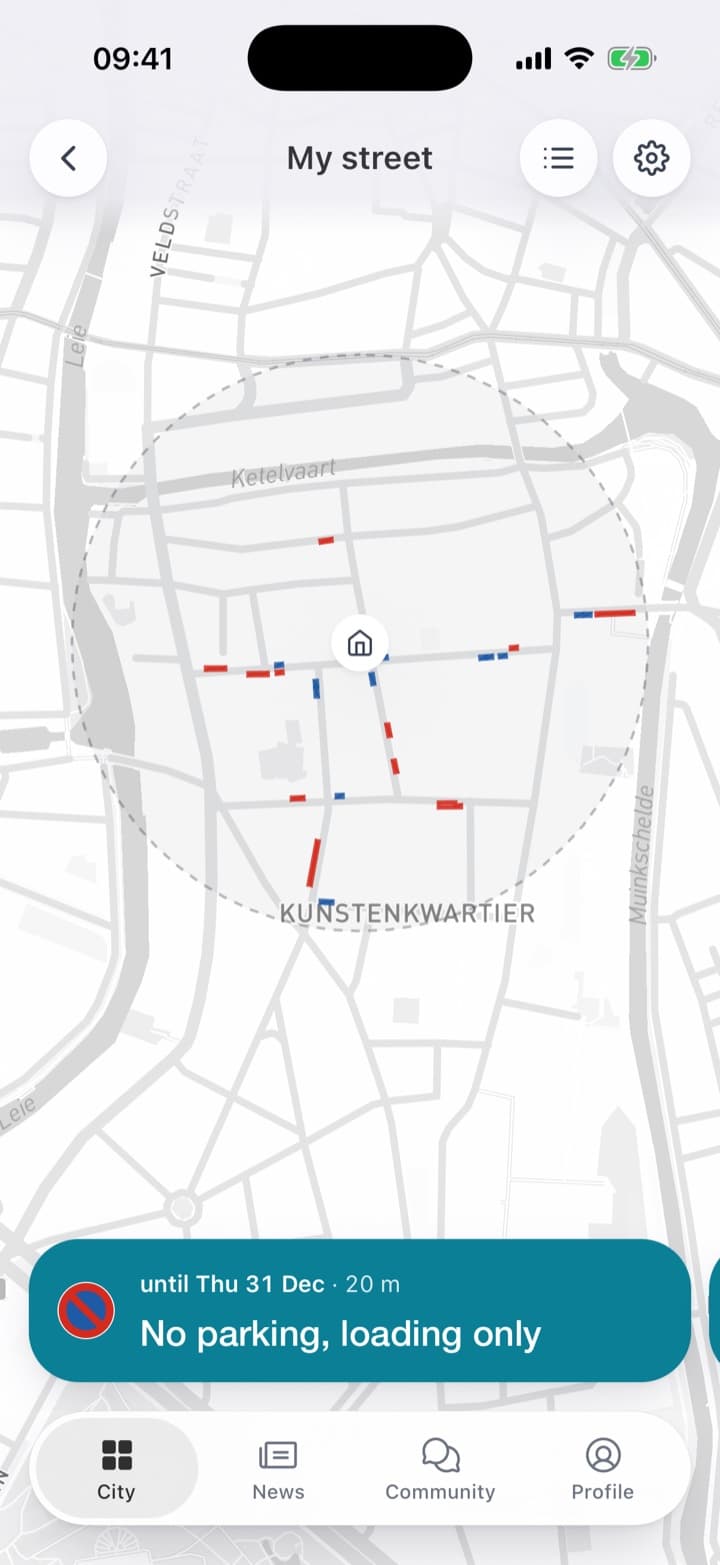
The My street service in the CityX app answers exactly that. A resident enters their address once. From then on, the home screen shows what applies near their house.
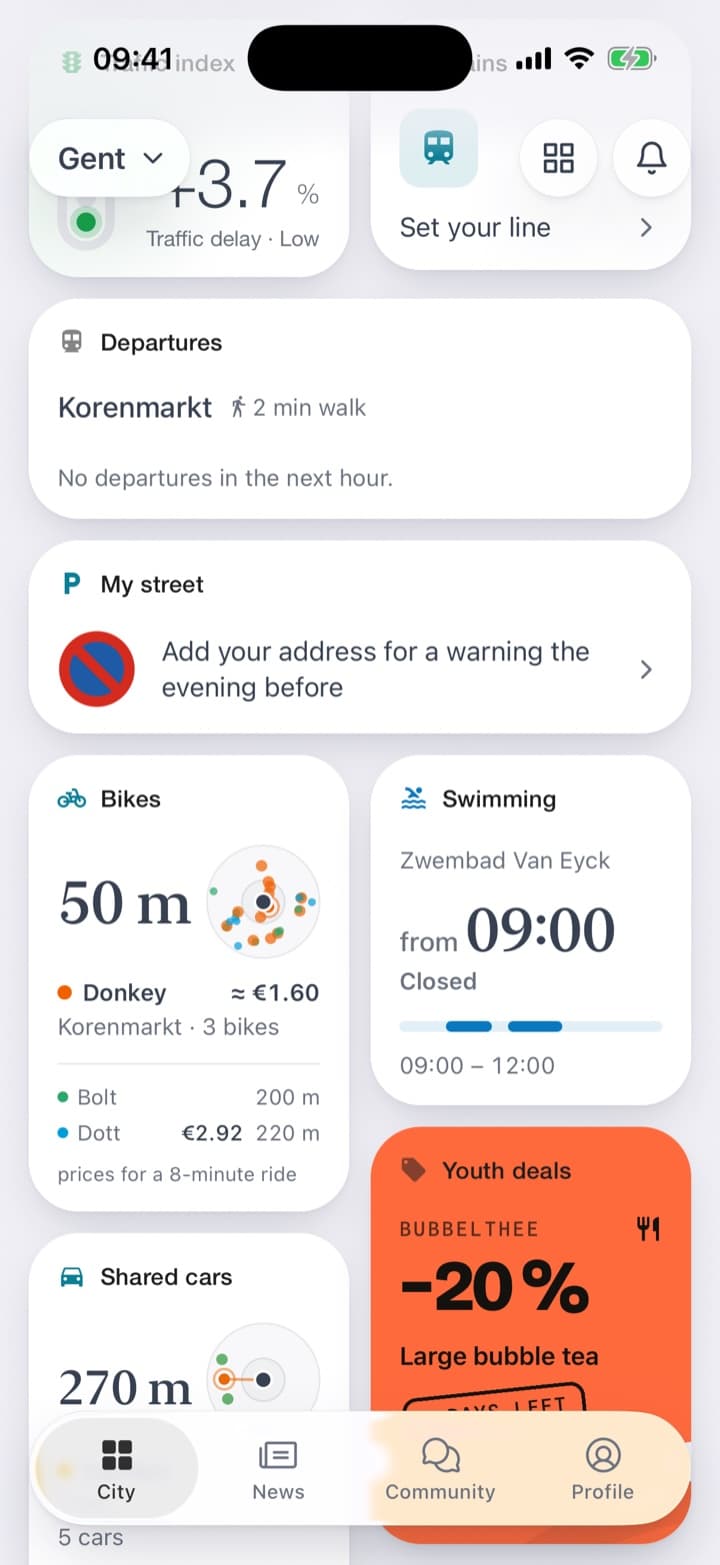
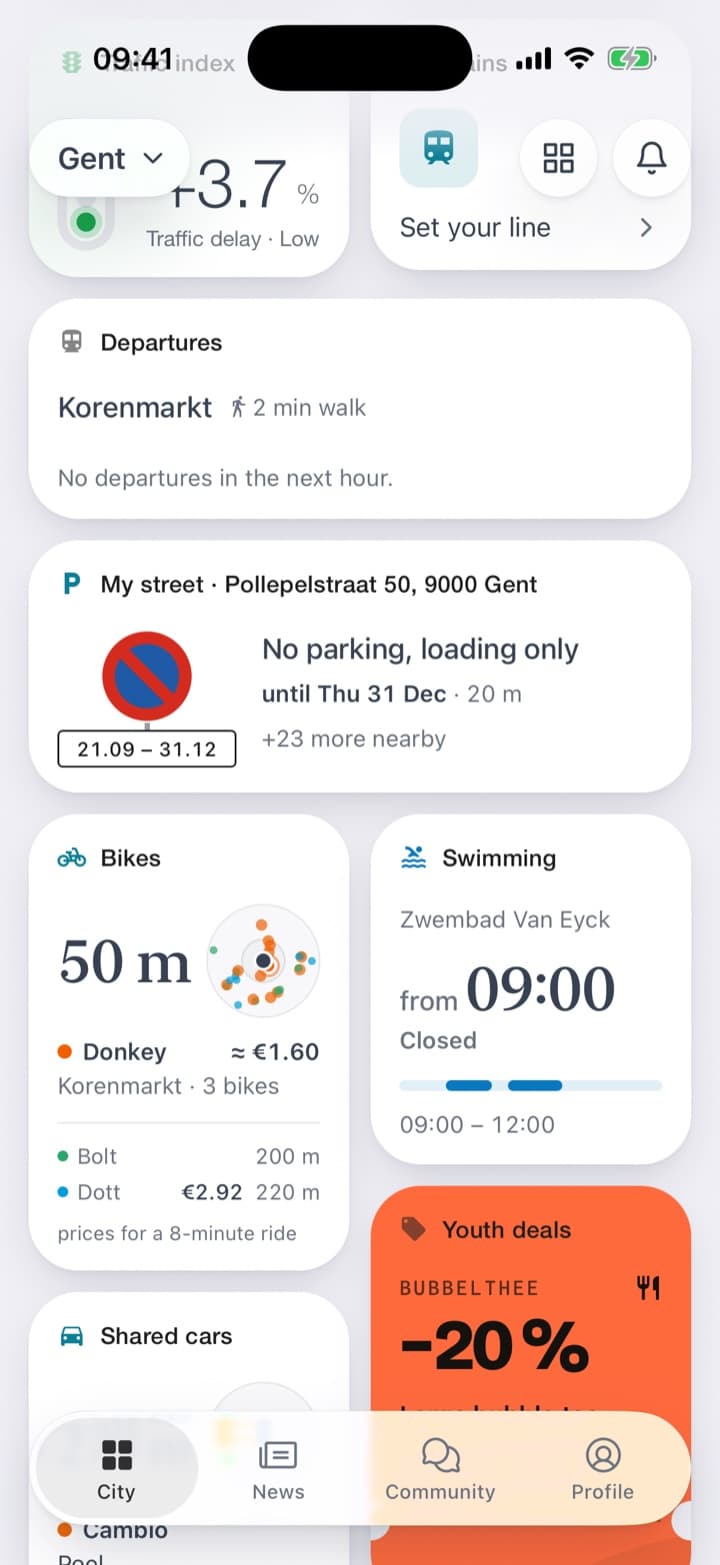
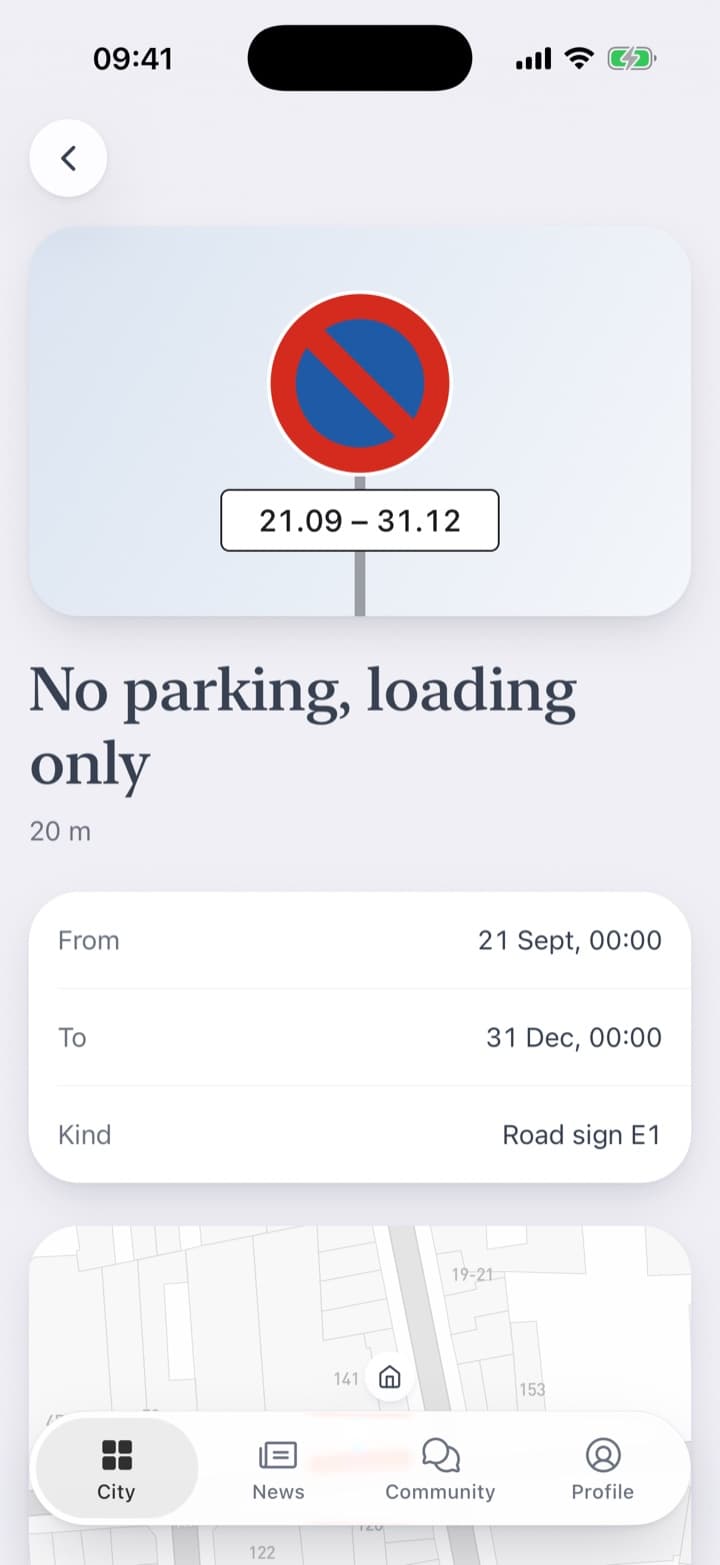
If there is nothing, the tile says so calmly and the resident stops worrying. If there is a ban, they see how far away it is and how long it lasts.
The ban is shown the way it looks in the street: as the road sign, with the plate of dates under it. A resident recognises the sign on the phone before reading a word, and then recognises it in the street.
The evening before, not the morning after
The most important part is not the map but the moment. The evening before a ban starts, the resident gets a notification on their phone, with a whole evening to move the car.
The notification goes only to the people living right by the ban. Nobody is told about streets that are not theirs, so when the phone does speak, it is worth listening to.
The same service also remembers where the car is parked elsewhere in the city, near work or outside a friend's house, so the warning works there too.
What it takes
One thing only: the permits the city already grants, with the street and the dates of each ban. The staff go on issuing permits exactly as before, and every permit now also reaches the people who live in that street, the evening before it starts.
That is why we do not start with a list of features, but with one problem. Temporary parking bans are a good place to begin: a small problem for the city, a big one for the resident whose car was towed, and one the city can solve with what it already knows.